
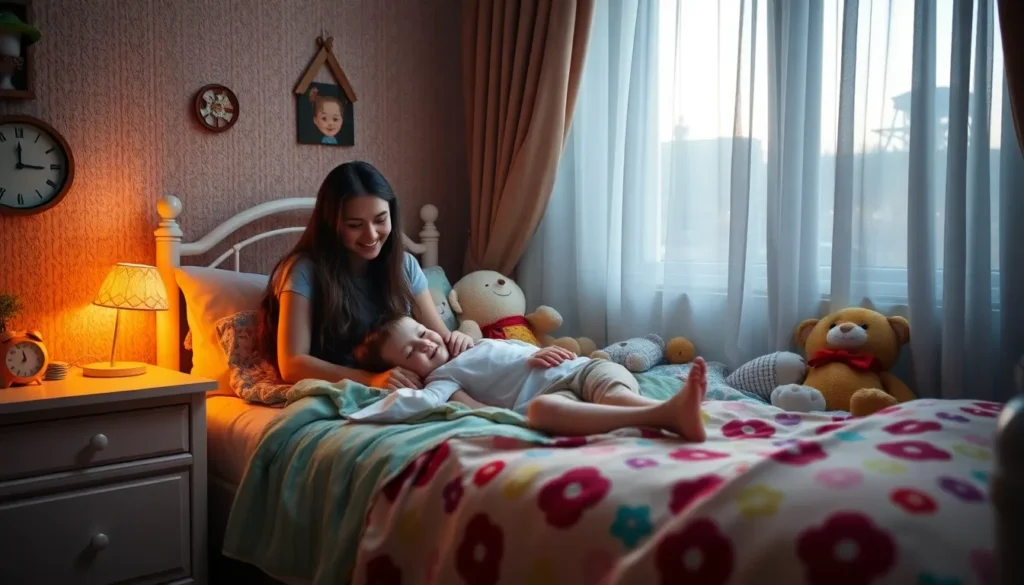
Getting kids to sleep can feel like trying to herd cats on a sugar high. Parents know that understanding child sleep patterns is key to unlocking the secret to a peaceful night. As little ones bounce off the walls, it’s easy to wonder if they’re part-time superheroes with endless energy. But fear not—there’s a science behind those wild antics and late-night giggles.
From newborns who sleep like they’re auditioning for a role in a hibernation documentary to toddlers who suddenly decide that bedtime is the perfect time for a dance party, each stage of childhood comes with its own unique sleep quirks. By diving into the fascinating world of child sleep patterns, parents can transform chaotic nights into serene slumbers, ensuring both kids and adults wake up ready to conquer the day. So, let’s unravel the mystery of sleep and discover how to turn bedtime battles into sweet dreams.
Understanding Child Sleep Patterns
Understanding child sleep patterns is essential for parents seeking restful nights. Sleep plays a crucial role in a child’s development and well-being.
Importance of Sleep for Children
Sleep significantly impacts physical and cognitive development. During sleep, growth hormones are released, aiding in tissue growth and repair. Adequate sleep improves memory and learning, enabling better performance in school. Lack of sufficient sleep can lead to behavioral issues, mood swings, and difficulty concentrating. For infants, sleep supports brain development by creating neural pathways. Ensuring children achieve the recommended hours of sleep fosters healthier lifestyles and happier days.
Stages of Sleep in Children
Children experience multiple stages of sleep, including REM and non-REM sleep. Non-REM sleep consists of three stages, which range from light sleep to deep sleep. Deep sleep promotes recovery and growth. REM sleep, characterized by rapid eye movement, is where dreaming occurs and aids learning. Infants sleep about 16 to 17 hours daily, transitioning through cycles more frequently than older children. As children age, total sleep duration decreases, but the importance of sleep stages remains critical for their overall health and functioning.
Factors Influencing Child Sleep Patterns

Understanding the factors influencing child sleep patterns is essential for parents seeking peaceful nights. Multiple elements can affect sleep quality and duration in children.
Age and Developmental Stages
Age significantly impacts child sleep patterns. Newborns often require 16 to 17 hours of sleep each day, while toddlers typically need about 12 to 14 hours. Developmental milestones also influence sleep; during growth spurts and cognitive advancements, sleep needs may increase. As children progress into school age, sleep demands usually stabilize to around 10 to 11 hours. Changes in routine, such as starting school or transitioning to a new bed, can disrupt established patterns. Monitoring age-specific needs helps parents tailor sleep environments effectively.
Environmental Factors
Environmental conditions directly affect a child’s ability to fall asleep and stay asleep. Space should be dark, quiet, and cool, as these elements promote better sleep hygiene. Light from screens or bright room decor can inhibit melatonin production, making it harder for children to settle down. Noise levels also matter; consistent, low-level noise like white noise can help prevent disturbances. Bedtime routines play a role; consistent activities signal to the brain that it’s time to wind down. Creating a calming atmosphere fosters healthier sleep habits and improved overall well-being.
Common Sleep Issues in Children
Sleep issues frequently affect children, impacting their overall development. Understanding these challenges is essential for parents seeking restful nights.
Insomnia and Sleep Disruptions
Insomnia affects children of all ages, leading to difficulty falling asleep or staying asleep. It may stem from anxiety, changes in routine, or environmental factors. Symptoms include restlessness and trouble waking up in the morning. Sleep disruptions, such as frequent awakenings, can be common as well. Children might experience these interruptions due to nightmares or discomfort in their sleep environment. Managing screen time and establishing relaxing bedtime routines can significantly improve sleep quality.
Nightmares and Sleepwalking
Nightmares often disturb a child’s sleep, typically occurring during REM sleep. They may trigger fear or anxiety, leading to further sleep disturbances. Sleepwalking, also known as somnambulism, occurs during non-REM sleep and may cause a child to wander while still asleep. Both conditions tend to be more prevalent in toddlers and school-aged children. Creating a secure and comforting bedtime environment can reduce occurrences of nightmares and sleepwalking. Parents should maintain open communication about their child’s fears, fostering a nurturing atmosphere that encourages relaxation.
Tips for Improving Child Sleep Patterns
Improving child sleep patterns involves consistency and environmental adjustments. Parents can implement several strategies to encourage better sleep.
Establishing a Bedtime Routine
Creating a consistent bedtime routine helps signal to the child that it’s time to wind down. Activities such as reading a book, taking a warm bath, or practicing calming exercises can promote relaxation. Parents should aim for a 30-minute routine that starts at the same time every evening. This predictability reinforces the body’s natural sleep-wake cycle. Limiting stimulating activities and screen time before bed supports a smoother transition to sleep. Consistent sleep schedules, even on weekends, enhance the effectiveness of these routines.
Creating a Sleep-Friendly Environment
A sleep-friendly environment significantly impacts child sleep quality. Parents should ensure the bedroom is dark, quiet, and cool, as these conditions promote restful sleep. Light-blocking curtains can eliminate disruptive external light sources. White noise machines or soft fans can mask unwanted sounds. Maintaining a room temperature between 68-72°F creates an optimal setting for slumber. Removing electronic devices from the bedroom discourages distractions and enhances focus on sleep. Incorporating cozy bedding and keeping a tidy space contributes to a calming atmosphere conducive to rest.
Understanding child sleep patterns is essential for fostering healthy sleep habits. By recognizing the unique needs of each age group and implementing practical strategies parents can transform bedtime from a daily struggle into a peaceful routine.
Creating a calming sleep environment and establishing consistent bedtime rituals not only benefits children but also enhances the entire family’s well-being. Addressing common sleep issues with open communication and mindful adjustments can lead to restful nights for everyone involved.
With patience and dedication parents can support their children’s sleep journey and promote their overall development and happiness.