

In recent weeks, the longshoremen’s strike has captured national attention, highlighting the critical role these workers play in the shipping and logistics industry. As ports grind to a halt, the ripple effects are felt across the economy, impacting everything from supply chains to consumer prices. This strike isn’t just about wages; it’s a fight for better working conditions and job security.
Longshoremen, often unseen but essential, handle the movement of goods that keep economies thriving. Their demands reflect a growing sentiment among workers nationwide, seeking fair treatment and respect in an ever-evolving labor landscape. As negotiations unfold, the outcome could reshape not only the future of longshore work but also set a precedent for labor movements across various sectors.
Overview of Long Shore Men On Strike
Longshoremen are crucial to the shipping and logistics industry. They handle cargo, ensuring efficient movement of goods to and from ports. The ongoing strike highlights several key factors affecting their work environment.
First, the demand for better wages plays a significant role. Longshoremen seek compensation that reflects their vital contributions to the economy. Second, enhanced working conditions are a priority. Workers emphasize the need for safety measures and reduced physical strain in their tasks.
Third, job security is essential for longshoremen. With increasing automation and changes in industry practices, workers seek assurances regarding their employment stability.
The strike’s implications stretch beyond immediate negotiations. This labor action signifies a growing trend among workers advocating for fair treatment across various sectors. The resolution of these issues may set precedents that influence future labor movements and negotiations.
Historical Context
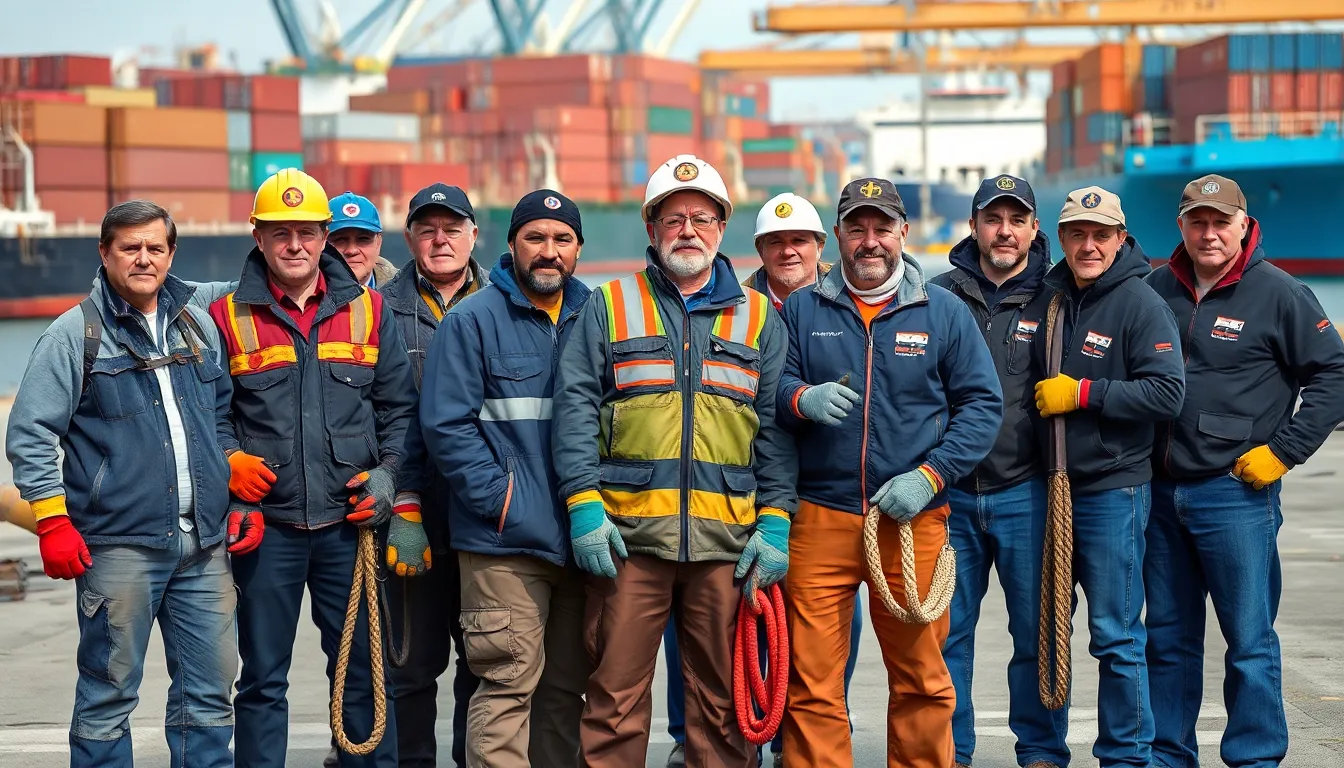
Understanding the historical context of longshoremen’s work and strikes reveals patterns that influence current labor movements. This backdrop shapes the negotiations and demands seen in the ongoing longshoremen’s strike.
The Origins of Long Shore Work
Longshore work emerged in the early 19th century as industrialization increased shipping demands. Ports in cities like New York and San Francisco became vital trade hubs. Labor-intensive tasks fell on longshoremen, who unloaded and loaded cargo ships. Initially, these workers faced poor working conditions, minimal wages, and no job security. As the shipping industry evolved, so did the need for organized labor to address issues such as safety and fair compensation.
Key Strikes in History
Several notable strikes have marked the history of longshoremen, highlighting their fight for fair treatment:
- The 1934 West Coast Waterfront Strike: This strike involved over 100,000 longshoremen, demanding better wages and working conditions. It resulted in an agreement that improved labor standards and established the International Longshore and Warehouse Union (ILWU).
- The 1948 Longshoremen’s Strike: A significant dispute led to a nationwide strike that lasted for several weeks. Longshoremen fought for wage increases amid rising living costs. The strike concluded with higher wage agreements, setting a precedent for future negotiations.
- The 1989 San Francisco Bay Area Strike: This strike showcased longshoremen’s solidarity against increased automation and job losses. The actions taken led to negotiations that preserved several jobs and ensured better working conditions in the wake of technological advancements.
- The 2002 Port of Los Angeles Strike: This work stoppage highlighted conflicts regarding contracts and job security. It showcased the struggles of longshoremen in the face of globalization’s impacts on labor.
These historical strikes reflect longshoremen’s ongoing struggles for fair treatment, significant living wages, and job security amidst changing economic landscapes.
Current Situation
The longshoremen’s strike continues to affect the shipping and logistics industry. As discussions between unions and employers unfold, different factors are shaping the current landscape.
Reasons for the Current Strike
Longshoremen initiated the strike primarily due to demands for fair wages, improved working conditions, and enhanced job security. Specific issues include:
- Wages: Longshoremen seek compensation that accurately reflects their contributions to the supply chain and addresses cost-of-living concerns.
- Safety: Workers emphasize the necessity for advanced safety measures to protect against job-related hazards, especially with increasing automation risks.
- Job Security: The rise of automation in ports has raised concerns about employment stability, prompting calls for guarantees against job loss.
Impacts on the Industry
The ongoing strike significantly disrupts shipping and logistics operations, leading to various consequences, such as:
| Impact Category | Description |
|---|---|
| Delays | Cargo loading and unloading delays strain schedules. |
| Financial Losses | Companies face increased operational costs and lost revenue. |
| Supply Chain Disruptions | Broader supply chain challenges arise due to halted shipments. |
| Reputation Damage | Companies risk losing business relationships due to unreliability. |
Shipping costs are expected to rise as companies struggle to manage ongoing delays. Major ports report significant backlogs, affecting delivery timelines for essential goods.
Perspectives on the Strike
The longshoremen’s strike has elicited responses from various stakeholders in the shipping and logistics industry. These perspectives reveal the complexities surrounding labor disputes and highlight differing priorities among unions and employers.
Union Responses
Unions representing longshoremen have expressed strong solidarity with striking workers. They emphasize the necessity for fair wages that reflect the economic pressures workers face. Unions advocate for improvements in working conditions, citing safety hazards and the physical demands of the job. They argue that better job security is essential in the face of increasing automation, which could threaten employment levels. Statements from union leaders convey confidence in their collective bargaining power, encouraging unity among workers to achieve these goals. Additionally, unions are leveraging public support to increase pressure on employers, underscoring the strike’s broader implications for labor rights.
Employer Reactions
Employers in the shipping industry have responded cautiously to the longshoremen’s strike. Many express concern about operational disruptions and rising shipping costs impacting their businesses. Employers acknowledge the need for dialogue but maintain that any wage increases or concessions must align with current market conditions. Some companies are exploring alternative labor sources to mitigate disruptions, while others plan to implement cost-saving measures to absorb potential losses. Employers argue that maintaining supply chain efficiency is crucial, and they emphasize the necessity of finding common ground with unions to resolve the strike.
Future Implications
The ongoing longshoremen’s strike poses significant implications for the shipping and logistics industry. The outcomes of this situation will likely shape the sector’s future dynamics, influencing labor relations and operational practices.
Potential Outcomes
Negotiations between unions and employers carry the potential for varied outcomes. Agreement on improved wages and working conditions may strengthen longshoremen’s negotiating power, setting new precedents for future labor relations. If employers meet the current demands, it could lead to increased compliance among other industries facing similar pressures. Conversely, a failure to reach an agreement may embolden further strikes, highlighting labor’s ongoing struggles and potentially igniting broader movements for worker rights across sectors. Uncertainty remains regarding the immediate effects on cargo operations, as the longer the strike continues, the more pronounced the shipping delays and rising costs will become.
Long-Term Changes in the Industry
The longshoremen’s strike has the potential to transform industry standards over the long term. Enhanced focus on safety measures and job security could prompt employers to reassess their labor practices in response to heightened worker demands. Automation advancements may accelerate, with companies seeking to balance efficiency and labor stability. Moreover, the strike might shift perceptions about union power, encouraging greater unionization efforts in other sectors. Stakeholders may push for policies emphasizing fair wages and safe working conditions, potentially leading to regulatory changes that protect worker rights across various industries.
The longshoremen’s strike stands as a pivotal moment in the shipping and logistics industry. As negotiations continue the stakes are high for both workers and employers. The demands for fair wages and improved working conditions reflect broader trends in labor rights that resonate across various sectors.
This strike not only disrupts operations but also serves as a catalyst for change. The outcomes could redefine labor relations and influence future negotiations. With heightened awareness of worker rights the potential for a shift in industry standards looms large.
As the situation unfolds the eyes of the nation remain focused on the striking longshoremen. Their fight for fair treatment could inspire similar movements elsewhere fostering a renewed commitment to worker advocacy and solidarity.