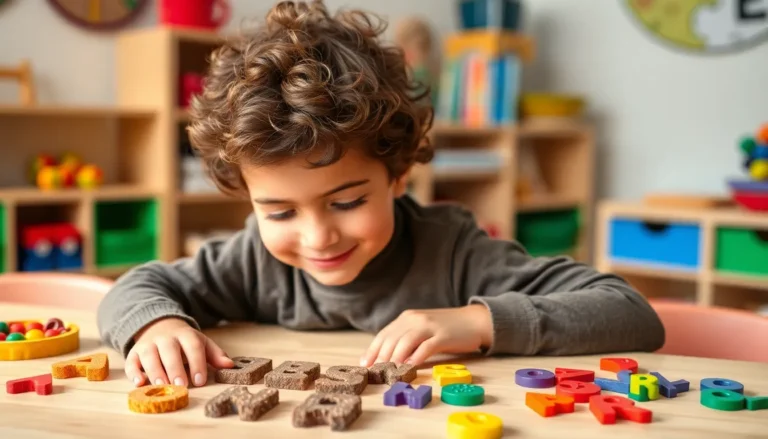

In a world buzzing with screens and distractions, Montessori child enrichment stands out like a unicorn at a petting zoo. It’s not just about teaching kids to color within the lines; it’s about unleashing their creativity and curiosity in ways that make learning feel like an adventure. Imagine a classroom where children are the captains of their own ships, exploring the vast oceans of knowledge at their own pace.
Overview of Montessori Child Enrichment
Montessori child enrichment focuses on cultivating a child’s natural abilities and interests. This approach encourages independent learning through hands-on activities, promoting exploration and discovery. In a Montessori classroom, children engage with materials that challenge their minds while also encouraging creativity.
Learning environments are designed to foster curiosity. For instance, children choose from various activities, allowing them to engage deeply in subjects that interest them. They can find themselves immersed in tasks aligned with their developmental stages. This self-directed learning promotes confidence and motivation.
Montessori enrichment extends beyond academics. Social, emotional, and physical development occur simultaneously through collaborative play and group activities. Children learn to work together, solve problems, and respect each other’s opinions. This holistic approach to education nurtures well-rounded individuals.
Additionally, Montessori methods prioritize real-world experiences. Outdoor activities, practical life skills, and sensory exploration immerse children in their surroundings. Children engage in gardening, cooking, or caring for animals, enhancing their understanding of the world around them.
Incorporating diverse materials and activities aids in developing critical thinking and problem-solving skills. Montessori classrooms incorporate art, music, and environmental studies. These subjects build a foundation for lifelong learning, ensuring children acquire essential skills for their future.
Overall, Montessori child enrichment strives to create a dynamic and responsive learning environment. Each aspect of the approach focuses on the child’s unique pathway to knowledge and personal growth. By prioritizing hands-on learning, Montessori education prepares children for a lifetime of discovery and engagement.
Key Principles of Montessori Education
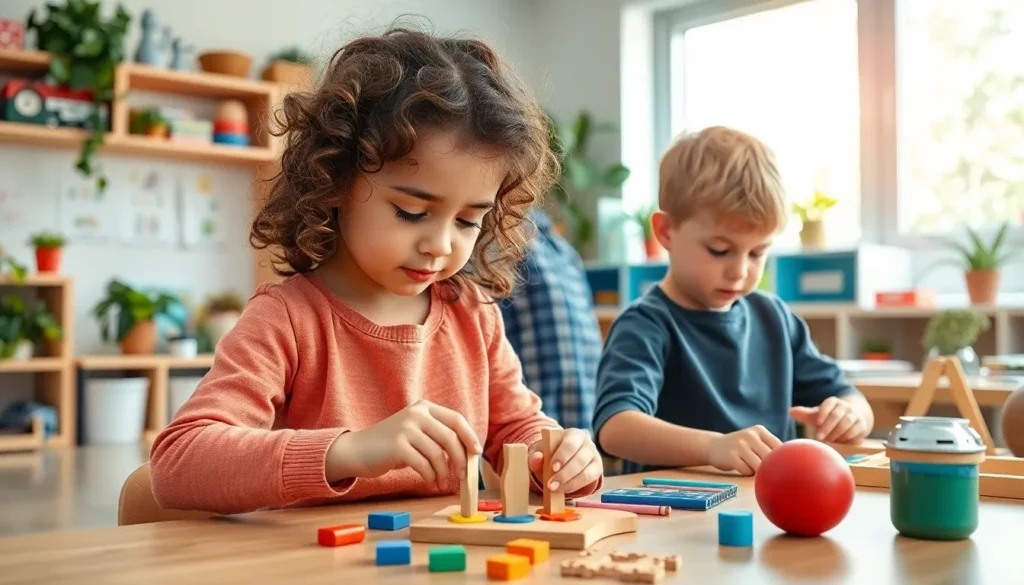
Montessori education embodies several key principles that create an enriching learning environment. These principles support the development of well-rounded children ready for lifelong learning.
Child-Centered Approach
A child-centered approach places the child’s interests at the forefront of the learning process. In this setting, learners engage actively in their education rather than passively receiving information. Educators facilitate discovery by observing and guiding children’s natural curiosities. Self-directed choices encourage independence and confidence as children navigate their educational journeys. Collaboration among peers promotes social skills and community-building, further enhancing personal growth.
Hands-On Learning
Hands-on learning serves as a cornerstone of the Montessori method. This experiential learning allows children to explore concepts through physical interaction with materials. Children manipulate objects to understand mathematical and scientific principles, making abstract ideas tangible. Activities cater to various developmental stages, ensuring that each child engages meaningfully with the content. Real-life tasks, such as gardening or cooking, develop practical skills and foster a sense of responsibility, enriching their educational experiences.
Benefits of Montessori Child Enrichment
Montessori child enrichment offers distinct advantages in various areas of a child’s development. This method fosters a holistic approach that nurtures individual growth.
Cognitive Development
Children engaged in Montessori enrichment experience enhanced cognitive abilities. Through self-directed learning, they encounter materials designed to challenge their thinking. Activities such as problem-solving tasks encourage critical thinking skills. Moreover, children learn to connect concepts by manipulating tangible objects. Each interaction reinforces their understanding, promoting deeper learning. As a result, they develop a love for knowledge and exploration.
Social Skills Enhancement
Social skills flourish in Montessori environments. Children partake in collaborative activities that require teamwork and communication. Engaging in group projects fosters empathy and respect for diverse perspectives. Sharing responsibilities during activities teaches negotiation and conflict resolution. Recognizing social cues becomes second nature as they interact with peers. Overall, children emerge with strong interpersonal skills and a sense of community.
Emotional Growth
Montessori child enrichment significantly supports emotional growth. A focus on independence nurtures self-confidence and self-esteem. Children gain a sense of ownership over their learning choices. As they make decisions, they develop a healthy sense of autonomy. Experiencing successes and challenges in a supportive environment builds resilience. This method emphasizes emotional intelligence, equipping children to navigate their feelings effectively.
Activities and Resources for Montessori Child Enrichment
Montessori child enrichment activities provide opportunities for skill development and exploration. These activities support growth in various areas, empowering children on their learning journey.
Practical Life Skills
Practical life activities promote independence and responsibility. Children engage in tasks like sweeping, pouring, and buttoning to strengthen fine motor skills. These experiences foster self-confidence as children complete meaningful activities. Observing others perform daily tasks can inspire children to imitate and participate. Tasks also teach children the importance of care for themselves and their environment. Engaging in practical life skills cultivates patience and focus, essential attributes in the learning process.
Sensorial Activities
Sensorial activities enhance children’s ability to explore and understand their surroundings. Common materials include texture cards, sound boxes, and color tablets that stimulate the senses. These activities promote differentiation of senses, improving cognitive development and concentration. Through hands-on experiences, children learn to classify and compare various attributes, such as weight or temperature. Exploring sensory materials fosters critical thinking as children make connections to real-world phenomena. Engaging with these resources encourages creativity and imaginative play.
Creative Arts
Creative arts activities encourage self-expression and exploration of ideas. Children partake in drawing, painting, and crafting using diverse materials to enhance fine motor skills. Expressive activities allow children to communicate feelings and thoughts visually. Collaborative art projects foster teamwork and social skills while promoting cooperation. Exposure to various art forms ignites curiosity and appreciation for culture. Incorporating music and movement into creative arts nurtures emotional growth and builds self-esteem. Engaging in these activities creates a dynamic learning environment that supports emotional and intellectual development.
Montessori child enrichment offers a transformative approach to education that nurtures each child’s unique potential. By prioritizing independence and hands-on learning, it cultivates a love for knowledge that lasts a lifetime. The emphasis on real-world experiences and collaborative play fosters not only cognitive skills but also emotional and social growth.
As children engage with diverse activities tailored to their interests, they develop critical thinking and problem-solving abilities. This holistic approach ensures they are well-prepared for future challenges. Ultimately, Montessori child enrichment creates an enriching environment that inspires curiosity and a passion for lifelong learning.