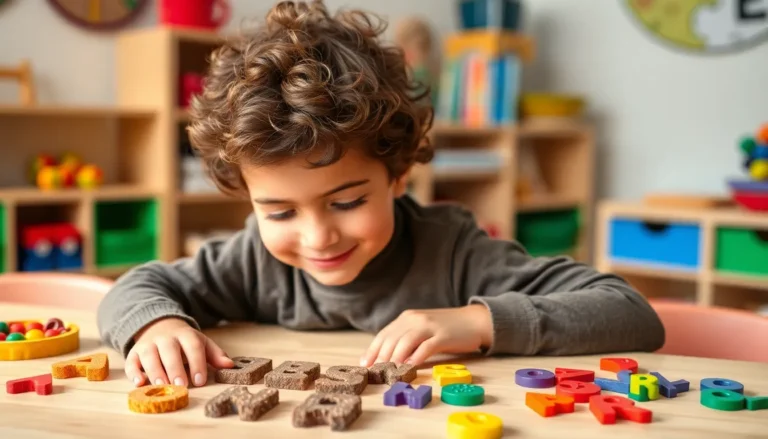
Imagine a classroom where kids aren’t just sitting at desks, but actively exploring their world through touch. That’s the magic of Montessori tactile learning. It’s not just a fancy term; it’s a hands-on approach that turns education into an adventure. Forget the old-fashioned methods of rote memorization—this is where learning comes alive!
Overview of Montessori Tactile Learning
Montessori tactile learning focuses on the experiences that use the sense of touch to enhance understanding. This approach prioritizes sensory exploration, allowing children to learn through their interactions with materials. The tactile method encourages learners to manipulate objects, fostering curiosity and engagement.
Hands-on activities play a vital role in this educational framework. They facilitate a deeper comprehension of concepts such as shapes, numbers, and letters. For instance, children may use textured materials to form letters, transforming abstract ideas into tangible experiences.
Children’s independence is another key aspect of Montessori tactile learning. By choosing activities aligned with their interests, they gain confidence in their abilities. This self-directed exploration nurtures critical thinking and problem-solving skills essential for lifelong learning.
Incorporating various sensory materials enhances the educational experience. Items like sandpaper letters, counting beads, and sensory bins support skill development in a fun way. Each of these tools provides unique learning opportunities that cater to diverse learning styles.
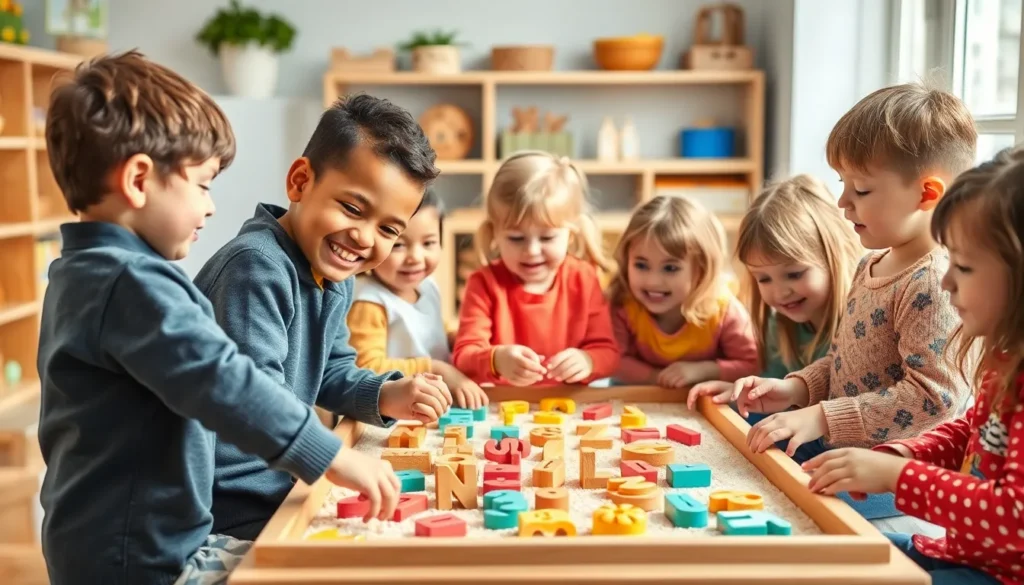
Collaboration also enhances tactile learning. Working in pairs or groups encourages discussion and the sharing of insights. Through collaboration, children develop social skills and learn from one another, enriching their educational journey.
Montessori tactile learning transforms traditional education by prioritizing hands-on experiences. It creates a dynamic and stimulating environment where children thrive. This method cultivates a love for learning, making education not only effective but enjoyable.
Key Principles of Montessori Tactile Learning
Montessori tactile learning emphasizes essential approaches that transform the learning experience. Key principles drive engagement and understanding through hands-on activities.
Hands-On Experience
Hands-on experience forms the foundation of tactile learning. Children manipulate materials to understand concepts deeply. Interacting with shapes, numbers, and letters becomes intuitive as they explore various textures. Montessori environments provide diverse tools, such as sandpaper letters or sensory counting materials, enhancing this process. Physical engagement fosters retention of information. Each material used supports specific learning objectives, ensuring that children grasp abstract ideas more effectively. Through this direct interaction, learning evolves into an active process.
Encouraging Exploration
Encouraging exploration inspires curiosity and creativity in every child. Freedom to choose activities drives meaningful engagement. Children naturally gravitate toward materials that interest them, promoting self-directed learning. Opportunities arise in group settings, where collaboration enhances shared learning experiences. Interaction with peers allows for discussion and the exchange of ideas. Moreover, sensory-rich environments promote independent exploration, letting children uncover new concepts at their own pace. This exploration fosters a sense of discovery, making education an exciting journey rather than a chore.
Benefits of Montessori Tactile Learning
Montessori tactile learning offers numerous benefits that enhance childhood education. This approach transforms learning into an enriching experience, leading to significant developmental gains.
Cognitive Development
Cognitive development flourishes through hands-on activities. Engaging with tangible materials allows children to grasp abstract concepts like numbers and letters. They build problem-solving skills as they experiment with different approaches. Critical thinking emerges naturally from this exploration. Children also retain information better due to their active involvement in the learning process. This method encourages curiosity, with students seeking answers through personal discoveries. Learning in this manner fosters independence, making it easier for them to navigate complex tasks.
Sensory Engagement
Sensory engagement plays a crucial role in Montessori tactile learning. The use of various tactile materials stimulates children’s senses, enhancing their exploratory skills. When children touch different textures, they experience the world more vividly. Learning becomes more meaningful as they connect feelings to concepts. This sensory-rich environment aids memory retention, linking emotional responses to learning. Children become motivated explorers, eager to investigate new ideas through hands-on interaction. In turn, this engagement nurtures creativity and fosters a genuine interest in their surroundings.
Implementing Montessori Tactile Learning at Home
Montessori tactile learning thrives in a home setting. Families can easily incorporate this engaging method through simple activities.
Activities for Young Learners
Engaging young learners involves interactive and sensory-rich activities. Parents can create a treasure hunt using textured objects, allowing children to discover and explore different sensations. Sensory bins filled with rice, beans, or sand provide opportunities for play while enhancing fine motor skills. Art projects using clay or playdough encourage creativity and tactile exploration. Matching cards with various textures also support cognitive development by reinforcing memory skills. Involvement in daily tasks like cooking cultivates practical skills and sensory experiences. Such activities not only promote learning but also foster independent thought in children.
Creating a Tactile Learning Environment
A tactile learning environment encourages exploration and creativity. Designate a quiet and safe space for children to interact with materials freely. Use bins to organize sensory materials such as fabric swatches, textured books, and natural items like stones or leaves. Displaying learning tools like sandpaper letters or counting beads in accessible locations allows children to engage independently. Incorporating soft lighting and natural elements supports a calming atmosphere, enhancing focus. Rotate materials regularly to maintain interest, ensuring that the space remains stimulating. In essence, an inviting tactile environment fosters autonomy and a lifelong love for learning.
Challenges and Considerations
Implementing Montessori tactile learning faces specific challenges. Space limitations in classrooms or homes may restrict the availability of different tactile materials. Educators and parents must find creative solutions to ensure children can engage with a variety of sensory tools within the given constraints.
Cost plays a significant role as well. Purchasing quality tactile materials can become expensive, especially for those on a budget. Sharing resources among educators or collaborating with other families can help alleviate financial burdens while providing necessary materials.
Time management also presents a challenge. Teachers often juggle multiple responsibilities, which can limit opportunities for hands-on learning. Planning structured activities that prioritize tactile experiences requires thoughtful integration into existing curricula.
Adapting to diverse learning styles poses another challenge. While Montessori tactile learning benefits many children, some may need additional guidance. Differentiating instruction can ensure all learners engage with the materials effectively.
Monitoring progress may prove difficult in a hands-on environment where traditional assessment methods fall short. Developing new metrics that align with tactile learning outcomes can provide insight into each child’s development.
Creating a comfortable environment for exploration is essential. If children feel anxious or restricted, they may withdraw from hands-on activities. Establishing a supportive atmosphere encourages risk-taking and fosters independence.
Lastly, teacher training in Montessori methods can be inconsistent. Not all educators possess the same level of expertise in facilitating tactile learning experiences. Professional development opportunities can enhance skills and confidence, ensuring teachers effectively support students.
Montessori tactile learning redefines the educational landscape by prioritizing hands-on experiences that resonate with children’s natural curiosity. This approach not only fosters independence and critical thinking but also cultivates a genuine love for exploration. By engaging with tactile materials, children develop a deeper understanding of concepts while enhancing their cognitive skills.
Creating an inviting tactile environment at home or in classrooms can significantly enrich learning experiences. Simple activities can transform everyday moments into opportunities for discovery. Despite challenges like space and resource limitations, the benefits of this method far outweigh the obstacles. Embracing Montessori tactile learning equips children with essential skills that will serve them well beyond the classroom, making education a joyful adventure.