
Sibling rivalry can feel like a never-ending battle for the remote control or the last slice of pizza. It’s a classic tale of love, competition, and the occasional hair-pulling. While some squabbles can be amusing, the constant bickering can drive even the most patient parents up the wall. Luckily, there’s hope!
Understanding Sibling Rivalry
Sibling rivalry is a prevalent issue, often marked by competition for attention, toys, or parental approval. Frequent disagreements can arise from various factors that affect children’s relationships.
Causes of Sibling Rivalry
Competition frequently drives sibling rivalry as children vie for attention from parents or caregivers. Age differences can create disparities in maturity, leading to misunderstandings. In some cases, personality clashes between siblings can intensify conflicts. Other influences like external stressors from school or peer relationships can also contribute to tensions at home. Additionally, family dynamics, including the arrival of a new sibling, may cause feelings of jealousy and insecurity.
Signs of Sibling Rivalry
Children exhibiting signs of sibling rivalry often engage in constant bickering or fighting over minor issues. Verbal insults or name-calling can indicate deeper frustrations and unresolved feelings. Displaying favoritism toward one child may also exacerbate rivalry dynamics. Changes in behavior, such as increased jealousy or attempts to sabotage each other, can signal underlying issues. Observing fluctuations in a child’s emotional state may help parents recognize the need for intervention.
Effective Sibling Rivalry Solutions
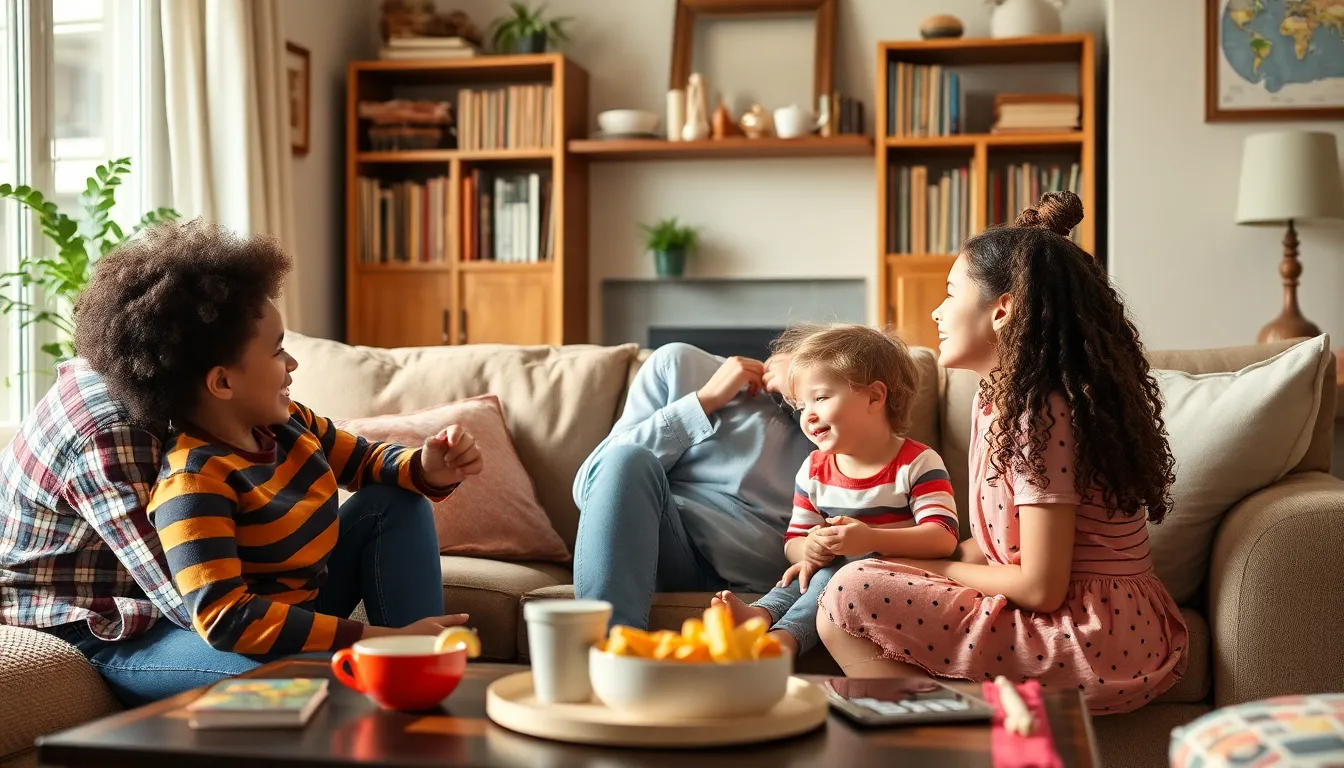
Several effective solutions exist for managing sibling rivalry. These strategies foster healthier relationships among siblings.
Communication Strategies
Encouraging open communication helps siblings voice their feelings. Parents should listen actively to each child’s perspective, fostering an environment of understanding. Teaching siblings to express emotions clearly reduces misunderstandings and minimizes conflicts. Utilizing “I” statements, such as “I feel upset when,” empowers children to articulate their needs without blame. Regular family meetings can also provide a platform for discussing grievances collectively, promoting empathy. This ongoing dialogue fosters stronger bonds over time.
Fairness and Equality
Ensuring fairness in daily interactions reduces tension among siblings. Equal distribution of resources, such as toys and screen time, can prevent feelings of favoritism. Implementing a rotating system for sharing items may enhance cooperation. When parents set clear, consistent rules, children understand boundaries and expectations. It’s vital for parents to model fairness themselves, demonstrating that cooperative behavior is rewarded. Regularly acknowledging each child’s strengths and contributions fosters a sense of equality.
Individual Attention
Providing individual attention to each sibling creates a sense of value. Scheduled one-on-one time allows parents to connect with children personally, nurturing their unique interests. Activities tailored to individual preferences foster self-esteem and reduce rivalry. When siblings receive separate praise and recognition, they feel appreciated and less inclined to compete. Creating distinct spaces for personal belongings can also help children feel secure in their own identity. This individualized attention builds stronger sibling relationships overall.
Creative Activities for Siblings
Engaging siblings in creative activities fosters cooperation and reduces rivalry. These activities promote teamwork and strengthen their bond.
Collaborative Games
Playing games together builds camaraderie. Board games such as Monopoly and Uno encourage friendly competition. Team sports like soccer or basketball require collaboration to achieve common goals. In these settings, siblings learn to strategize and support one another. They develop problem-solving skills that apply beyond games. Constructive rivalry can emerge, transforming conflict into a shared experience. Encouraging turn-taking and fair play further emphasizes the importance of cooperation.
Shared Projects
Working on projects together cultivates communication and creativity. Art projects, such as painting a mural or crafting a scrapbook, provide opportunities for expression. Gardening as a team allows siblings to contribute individual strengths while learning patience and responsibility. Example projects include building a model or creating a science experiment. Clear roles benefit collaboration, ensuring each sibling participates actively. Celebrating the finished product nurtures pride and unity. Engaging in shared interests fosters deeper connections, helping them navigate future disagreements more effectively.
Professional Help for Sibling Rivalry
Sometimes, sibling rivalry becomes overwhelming, indicating the need for professional assistance. Recognizing when to seek counseling is essential for fostering healthier sibling relationships.
When to Seek Counseling
Signs that siblings require counseling include persistent fighting, emotional distress, or difficulty resolving conflicts independently. If parents notice that humor and playful interactions shift to aggressive behavior, initial observations may become concerning. Assistance becomes crucial when conversations fail to yield constructive solutions or when rivalry escalates beyond typical sibling dynamics. Feelings of jealousy, resentment, or favoritism could lead to deeper psychological issues. Thus, seeking a therapist specializing in family dynamics can facilitate open communication and deeper understanding.
Benefits of Family Therapy
Family therapy offers numerous advantages for managing sibling rivalry. Specialized therapists promote open dialogues, encouraging siblings to express their feelings in a safe environment. Enhanced understanding often results from guided conversations, leading to increased empathy between siblings. Moreover, therapists provide strategies for conflict resolution, teaching children effective communication techniques. Strengthening family bonds becomes tangible through shared sessions that foster unity and cooperation. Addressing underlying issues with professional support helps children develop healthier relationships, paving the way for reduced rivalry and enhanced cooperation.
Sibling rivalry is a common challenge that many families face. By implementing effective strategies such as open communication and fair treatment, parents can help minimize conflicts and foster stronger relationships among siblings. Engaging in collaborative activities not only encourages teamwork but also nurtures empathy and understanding. When rivalry escalates beyond typical behavior, seeking professional help can provide valuable support and guidance. Ultimately, fostering a harmonious sibling relationship contributes to a more positive family environment, allowing each child to thrive individually and collectively.